



Digital, modern, efficient!
The European Union has launched its new entry/exit system (EES) to automate the registration of travellers holding a non-EU passport entering and exiting the Schengen area – an important step towards smarter and more digital border controls. With the programme „"Smart Borders"” of the European Union, border control procedures will be automated in the future. EES - an automated computer system that records the entries and exits of persons from non-Schengen countries at the external borders of the Schengen area. The use of the fully automated entry/exit system will reduce the time needed for manual stamping of passports and simplify the border control process.
Who does the EES apply to?
The Entry/Exit System (EES) essentially affects all third-country nationals* who are either visa-exempt or visa-required and who stay in the Schengen area for a short stay of no more than 90 days in any 180-day period. Cyprus and Ireland are not part of the EES. The Schengen Agreement regulates the movement of persons within the Schengen area without border checks.
*Third-country nationals: travellers who do not hold the citizenship of a country in european union or citizenship Iceland, Liechtenstein, Norway or Switzerland.
The new Entry/Exit System (EES) will enter into force on October 12, 2025. The system will be gradually implemented at the external borders of the European countries using the EES. Therefore, data collection will be gradually introduced at border crossing points. Full implementation will take place by April 10, 2026.
One advantage: travelers can check the remaining duration of their approved stay online.
More information about the Entry/Exit System (EES) is also available on the European Union website.
How the registration process works in the entry/exit system ?!
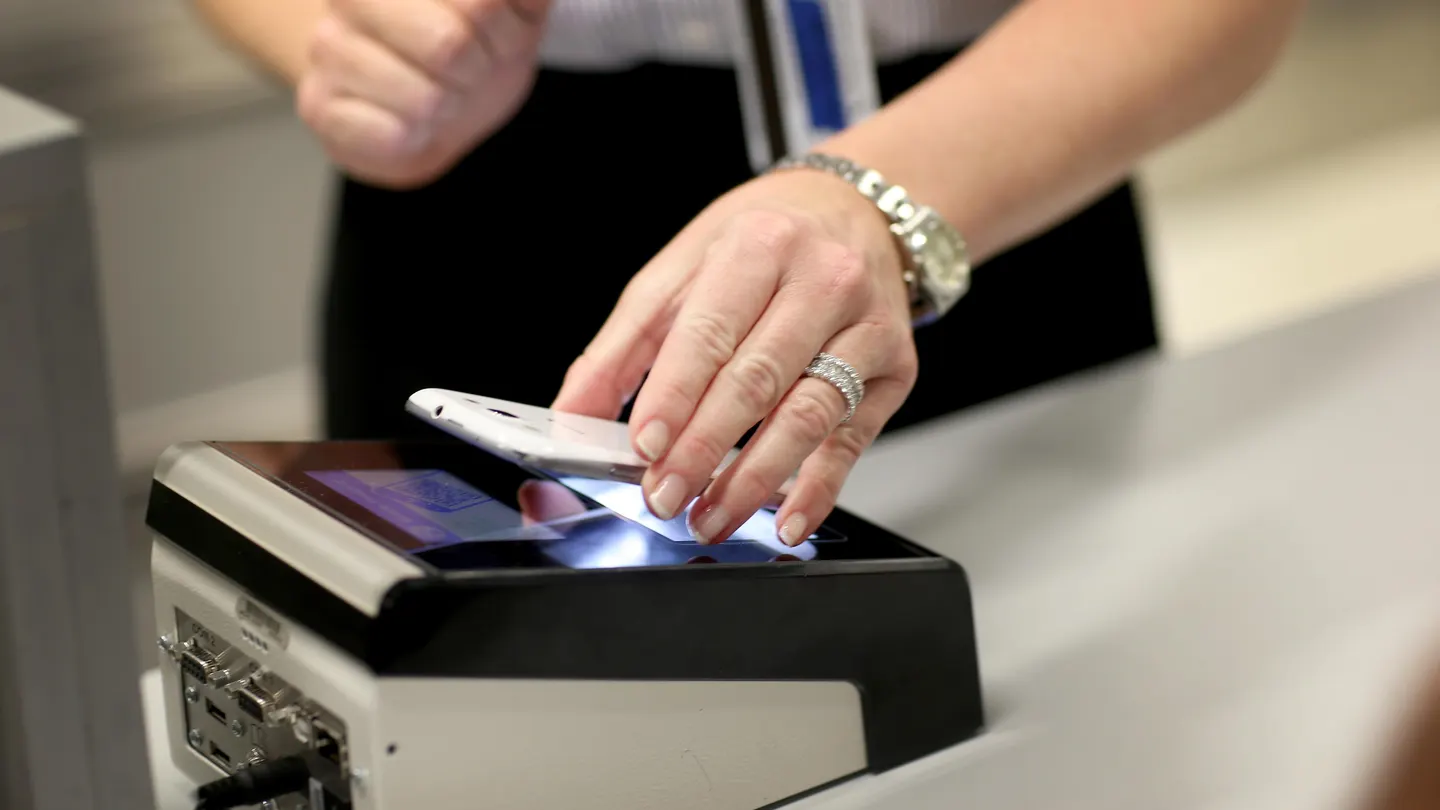
STEP 01: Travelers with a biometric passport scan their data themselves at a self-service system. A machine-readable biometric ID document is a prerequisite.
STEP 02: These self-service systems record biometric data (facial images and fingerprints), along with the traveler's name, passport details, and place of entry and exit from the Schengen area.
STEP 03: The route to the border control point is signposted. The recorded data will be checked there. If there are no grounds for refusal, the border control allows the travellers to enter/exit. This is in turn stored in the EES.